
The initial wave of artificial intelligence showed that software could understand the language of people, detect patterns, and aid people in completing increasingly difficult tasks. The majority of these systems, however, relied on sending information to servers located far away to be processed before returning a result. Cloud computing has assisted AI however it also presented issues, such as latency, security, infrastructure costs and developer flexibility.
Nowadays, many engineering teams are advancing towards a different philosophy. Instead of treating AI as a service that is remote, they are developing systems that work more closely to the point where decisions are taken. This is driving the adoption of on-device AI. This allows applications to respond faster, reduce the dependence on external infrastructure, and ensure greater control over confidential information.
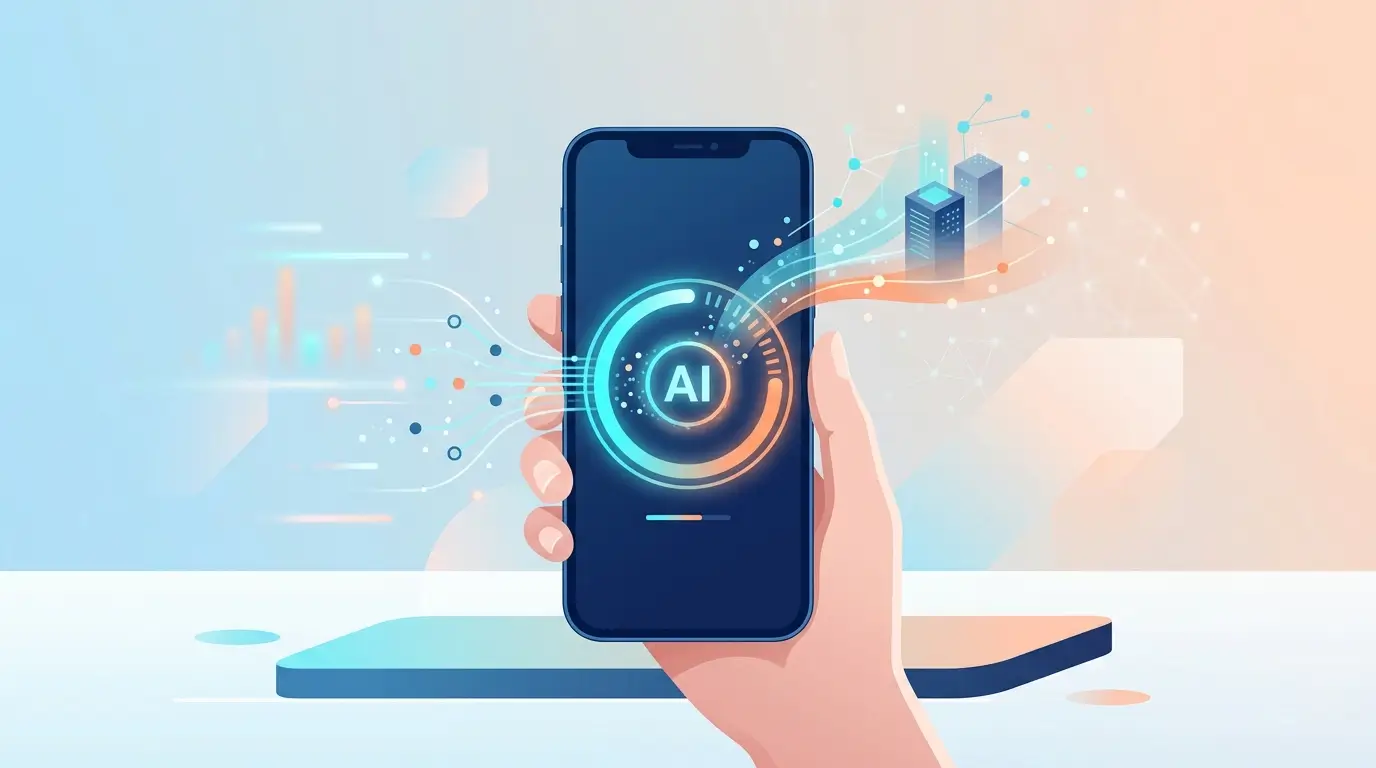
Modern AI infrastructures must be designed for real-time workloads
The choice of a language model alone is not enough to build intelligent software. Performance also depends on the architecture. The efficiency of the runtime, the ability to observe, deployment flexibility, security and scalability affect whether an AI application is successful in the real world.
This growing complexity has increased demand for stronger AI agent infrastructure capable of supporting autonomous workflows, intelligent decision-making, and persistent execution. Instead of relying on generic platforms that are specifically designed to meet the needs of every situation, businesses prefer to utilize specialized infrastructures specifically designed to meet the specific requirements of their operations.
Thyn’s approach was based on this. Instead of creating a singular AI product the company creates a the foundational runtime engine which supports many different specialized products and allows each one to innovate independently. This approach lets engineers focus on addressing business problems rather than reworking the core infrastructure.
Better tools help developers build better systems
AI will be integrated into many software applications and developers must have access to more than just APIs. They need environments that make it easier for deployment monitoring, debugging, testing, and management of runtime.
Modern AI tools for developers have a tendency to emphasize transparency and control. Developers are seeking to quantify latency, optimize resource usage and know how the machines perform under intense workloads.
Thyn invests heavily in the engineering foundations that it has and focuses more on performance measurement over general claims of marketing. Research on runtime deployment strategies, evaluation frameworks, developer experience and observability are regarded as essential engineering disciplines that help every product created within its environment.
The use of specialized intelligence is much more effective than platforms which are one size fits all
Not every AI task is exactly the same. Financial trading, cryptographic apps marketing automation, embedded software, and autonomous systems are all different and have unique performance requirements, security models, and operational restrictions.
Instead of directing every application through identical infrastructure, Thyn develops dedicated engines specifically designed for specific domains. The software can be developed independently and still share the advantages of research in architecture.
AI coders are beginning to use the same concepts. Instead of acting as general-purpose assistants, modern coding agents are becoming increasingly specialized, helping developers generate code or analyze repositories. They also help automate repetitive engineering tasks and speed up the delivery of software while staying in the existing workflows for development.
Building intelligence closer to where decisions happen
Artificial intelligence’s future goes beyond just generating information. As technology advances, effective systems will be able to think, assess context to make decisions, take action, and carry out actions with minimum delay.
Running AI locally provides substantial advantages for applications that need to be responsive, reliable as well as privacy. On-device AI reduces the dependence of networks it reduces latency and permits applications to function even when connectivity is limited. The result is a better user experience while companies get more control over their infrastructure and data.
Similar to that, AI agent infrastructure that is scalable ensures intelligent systems are observable, manageable, and capable of adapting when needs change.
Thyn represents this fresh direction through the establishment of the base for intelligent software rather than focusing exclusively on specific applications. Through advanced runtime architecture special engines, powerful AI tools for developers, and advanced AI coding agents Thyn has helped create an environment where AI improves speed, is safer, more secure and ultimately more efficient for developers working on the next generation of smart products.