
A deteriorating pump station doesn’t have to stop working before it’s a problem. Even though it is able to transport stormwater and wastewater daily, the pump station might be unable to meet peak demand. It might also require more frequent maintenance. While the equipment is operational however, the design it was originally designed for may no longer be appropriate for today’s conditions.
It is vital to recognize this distinction for developers, municipalities and facility managers in planning improvements to infrastructure.
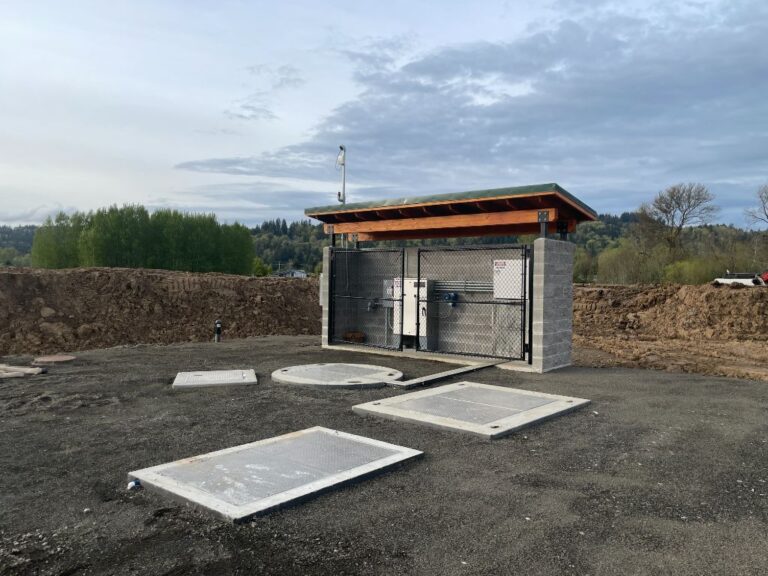
Image credit: romtecutilities.com
See beyond the equipment Not Working
Retrofitting an wastewater lift station must begin with an assessment of the entire system and not just the pump that is malfunctioning. Engineers must assess the wet well, mechanical components and electrical components, as well as controls, discharge pipe, and current pumping requirements.
The condition of the wet well is vitally important. If the structure of your wet well is still sound and in good condition, it could be possible to change it out with a new equipment, while maintaining its current structure. This could reduce the construction costs compared with building an entirely new station. It is important to keep existing infrastructure if the improvements are possible.
The area of service has been changed.
An old wastewater station may serve additional homes, industrial buildings or commercial buildings.
These changes may affect the rate of flow and operational requirements. Successful lift station rehabilitation therefore requires more than restoring the original equipment specifications. Engineers must evaluate the their current and future flow rates, total dynamic head capacity of equipment, as well as operational reliability.
It’s not enough to just purchase a bigger pump. New equipment has to be compatible with the existing piping system, wet wells, control systems, electrical supply etc. If you upgrade one component you can create problems in other areas.
Stormwater Retrofits Have Different Priorities
Retrofitting a stormwater pumping station introduces additional considerations because runoff patterns can alter dramatically as rainfall increases and the surrounding development. The inflow pattern of a station that serves the area of detention may be different than if it receives water directly through the storm drain. Any changes to drainage infrastructures like new pavement or expanded parking lots, may affect the frequency and quantity of water that can be capable of reaching the station.
Before recommending a major upgrade of the stormwater pump, engineers should examine the drainage areas that contribute to the project, peak flows expected in the future, storage capacity that is available as well as discharge conditions and the pump’s performance.
The data will allow you to decide if the station has to be reconstructed, or if the modernization of equipment is enough.
Plan Construction Before Interrupting Service
The way the station functions during rehabilitation is a question which is frequently ignored. The wastewater system is generally not taken offline without arrangements for ongoing flow control.
Based on the available space and project needs The construction process may include temporary bypass pumping or installing new infrastructure adjacent to the operating station.
The stormwater project also requires careful scheduling as the system might be needed in the event of an unexpected rainstorm. A plan for engineering that is comprehensive must include the sequencing of installation, temporary operation installation, equipment integration and commissioning not only replacement parts.
Making the finished system easier to use
Romtec Utilities offers site-specific engineering solutions and supplies for stormwater pumps and wastewater.
The retrofit method determines which structural, electrical, mechanical and communication components are required to be maintained and which ones need replacement. The company also offers preliminary designs and budgetary estimates to help owners evaluate project options.
Following installation, tests for startup as well as operator training are crucial to ensure that the upgraded station is performing according to its design. Operators need to be able keep the station operating and comprehend it following the successful rehabilitation.
Upgrade Your System, Not Only its Age
It’s not necessary to replace an older pump station. It’s possible that structures will remain operational for a long time, even if the mechanical and electrical systems require updating. The key is to identify what can be safely and effectively preserved while ensuring the station meets current and future demands.
Owners can make better investment decisions by studying the operational conditions along with structural integrity, hydraulic and demands together.
The goal isn’t simply to make a stale station operate again. To ensure the system is prepared for future projects It is crucial to modernize the station.