
The Budgerigar Council of South Australia is proud to offer its guide for budgies as pets, often referred to by the names budgerigars and parakeets. Pet owners around the world are in love with these tiny, chirpy budgies. Budgies are loved by many, ranking just behind cats and dogs. They are intelligent and lovable.
It is essential to understand their personality and preferences before you welcome them into your home. This guide provides you with all the details you need to live a happy and healthy lifestyle for you and your pet companion.
A Tiny Social Butterfly
Budgies thrive on companionship. In the wild, budgies are in large swarms of animals that are constantly chirping, interacting and communicating with one another. Even though a single bird may form bonds with their human keeper if provided with plenty of attention and love, they’d prefer to have a feathered friend. If you aren’t able to manage two birds, plan to spend an extensive amount of time interacting with your single budgie in order in order to avoid loneliness.
Chatterboxes which are designed to be a Flair to Mimicry
A pet budgie’s ability to imitate sounds is one of the most appealing characteristics. If they are trained and patient Budgies will develop the ability to imitate sounds and talk in phrases. They’ll add a whole new dimension of excitement to their whistles and chirps. The vocabulary of budgies can be very different. Some budgies will become chatterboxes, and others will just whistle. Their playful voice will put you a smile regardless of how skilled they are in their communication.
Rainbow on Wings
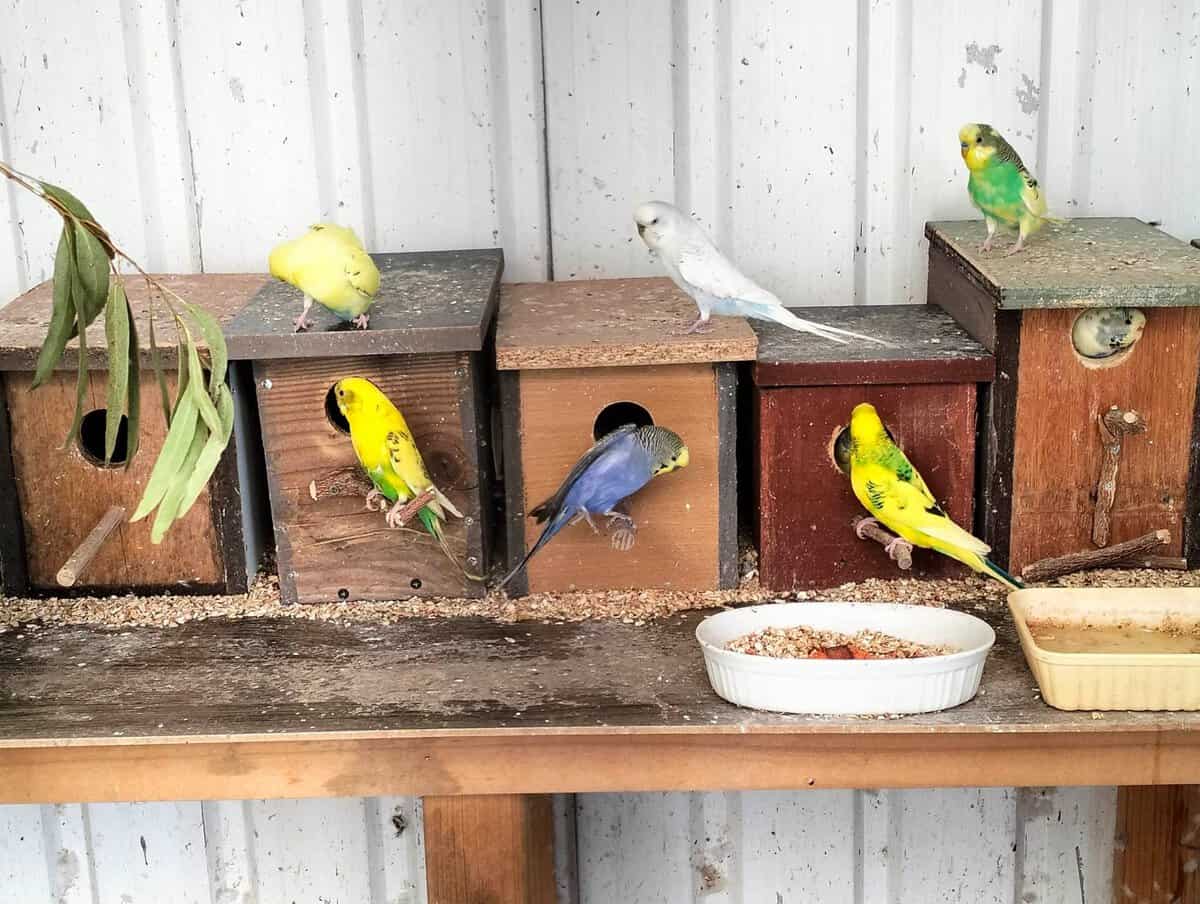
Budgies come in an array of stunning colors, from the classic yellow and light blue to more vivid shades of violet, green and white. Breeders have created countless mutations and you’ll be sure to find one that suits your style. Color variations can signify the age of a bird and its sex as well, making them a great conversation starter.
A large area in an area that is small
Even though budgies may be small, they need plenty of space to explore, fly, and climb. A minimum cage size of 20 inches long 12 inches in width and 18 inches high. However, bigger is always better! Perches of various heights and textures keep your bird entertained. Additionally, rotate toys often to avoid boredom. The cage should not be placed in direct sun.
A Budgie-Approved Diet
A healthy budgie bird diet consists primarily of a high-quality pelleted food formulated for small parrots. They’ll get the nourishment they need to develop. Add fresh fruits and vegetables to their pellets like apples, carrots, leafy greens and leaves (remove the seeds). Cuttlebone keeps their beaks clean and will provide vital minerals. Always ensure that they are able to access clean, fresh water.
Making a connection with your feathered friend
To control your bird You will require patience and a soft touch. Begin by gently stepping up to the cage while talking gently to your bird. You can offer treats such as millet spray through the bars of the cage to increase confidence. Once your pet feels at ease with your presence, you may try to get inside the cage and let them perch on your fingers. It may take several weeks before you are able to finish the procedure, so don’t be impatient.
A Lifelong Dedication
In accordance with how they are treated, budgies can be able to live between 10 and 12 years. Before you welcome one into your home, consider your lifestyle and commitment to the long-term. Can you offer them daily interaction as well as a stimulating, clean surroundings? A budgie is an excellent companion that will enrich your life. It will bring you joy with its chirps and hilarious actions.
The Budgerigar Council of South Australia encourages responsible pet ownership. Ask an avian vet assistance if you have doubts or questions about how to care for your pet’s feathers.